Vampire Embroidery Review: A Pro’s Take on Spooky Merch
As an embroidery designer who has spent years digitizing and testing files for small businesses, I approach every new machine embroidery design with a critical eye. It is not just about whether the image looks cute on a screen; it is about how it performs under the needle, how it holds up after washing, and ultimately, how it serves the brand identity of the business using it. Recently, I took a close look at the Vampire digital embroidery file to evaluate its potential for commercial use. This review is tailored for shop owners, Etsy sellers, and apparel decorators looking to expand their Halloween or gothic-themed product lines.
First Impressions: Visual Personality and Brand Fit
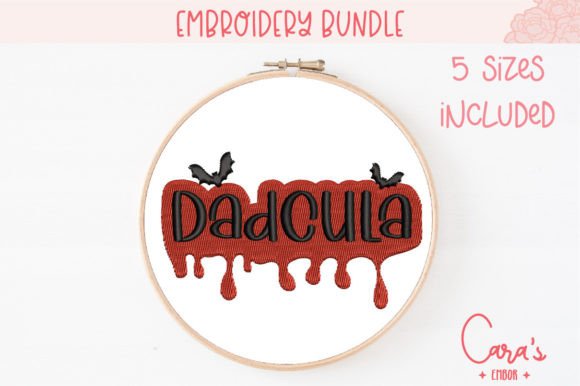
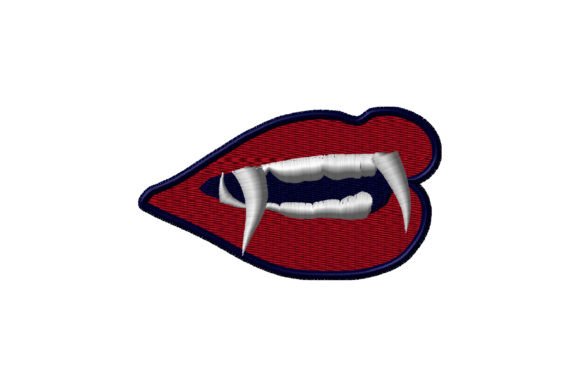
The first thing that strikes you about the Vampire design is its versatility within the spooky aesthetic. While many Halloween-themed graphics lean heavily into cartoonish or overly aggressive imagery, this design strikes a balance that feels both playful and professionally stylized. For a boutique owner or a creative studio, this visual personality is crucial. It does not scream "cheap costume"; instead, it suggests a curated, handmade product.
When considering brand identity, this design works exceptionally well for businesses that want to tap into seasonal trends without sacrificing their premium feel. Whether you run a local bakery offering October treats, a pet brand creating themed bandanas, or a clothing line specializing in alternative fashion, the Vampire motif offers a recognizable hook. It feels decorative yet bold enough to stand out as a primary logo accent on darker fabrics, which is essential for maintaining visual consistency across a merchandise collection.
Real-World Applications for Small Business Merch
The true test of any digital embroidery file is its application on physical goods. Based on the description, this design is marketed for hoodies, costumes, treat bags, caps, and face masks. From a production standpoint, here is how I see it performing in real business scenarios:
- Embroidered Patches: This is perhaps the most lucrative avenue. Creating iron-on or sew-on patches allows customers to buy a low-cost add-on. The Vampire design, with its likely defined outlines, would translate well into a patch format, adding perceived value to plain jackets or tote bags.
- Custom Apparel and Uniforms: For staff uniforms in themed cafes or boutiques, a small chest embroidery of this design can serve as a subtle brand marker. It moves beyond generic logos to create a sense of community and fun among staff, enhancing customer engagement.
- Cap Embroidery: Hats are high-margin items. However, the curved surface of a cap front requires a design that is not too wide. If the Vampire design has a compact width, it is ideal for structured caps. If it is wider, it may require placement on the side panel or adjustment to ensure it does not distort during stitching.
- Tote Bag Design: Canvas totes are staples for handmade brands. A large-scale version of this design could serve as the main graphic, turning a simple bag into a statement piece. The contrast of bright thread colors against natural canvas or black fabric can make the finished product pop.
- Apron Embroidery: For bakeries or florists selling seasonal goods, embroidered aprons are excellent internal branding tools and retail items. The spooky theme fits perfectly for October promotions, adding a festive touch to professional workwear.
Technical Considerations and Production Challenges
While the aesthetic appeal is strong, experienced embroiderers know that technical execution is where profits are made or lost. When integrating Vampire into your commercial embroidery workflow, there are several factors to scrutinize before running a full production batch.
Stitch Density and Fabric Texture: The description notes that the design comes with multiple embroidery options, but it does not specify the exact stitch count. High stitch density can cause puckering, especially on lighter fabrics like those used for face masks or treat bags. I recommend testing the design on a scrap piece of your intended fabric first. If you are stitching on textured fabric, such as terry cloth towels or heavy denim, you may need to adjust the underlay stitches to ensure the top threads lay flat and cover the base material effectively.
Hoop Size and Placement: Always confirm the hoop size compatibility. If you are planning to use this on smaller items like child-sized caps or pocket squares, ensure the design fits within a 4x4 or 5x7 hoop without requiring excessive re-hooping, which increases labor time. For larger items like hoodies, a 6x10 hoop might be necessary if the design includes detailed background elements.
Stabilizer Selection: The choice of stabilizer can make or break the look of the Vampire design. For stretchy fabrics like hoodie fleece or jersey masks, a cut-away stabilizer is non-negotiable to prevent distortion over time. For woven fabrics like tote bags or apron cotton, a tear-away might suffice, but only if the stitch density is moderate. Always prioritize stability to maintain the professionalism of the handmade product.
Strategic Use for Brand Identity and Trust
Using a thematic design like Vampire is not just about decoration; it is a strategic move to enhance brand identity. When customers see consistent, high-quality embroidery on your packaging accents or merchandise, it builds trust. It signals that you care about the details. A poorly stitched design, however, can have the opposite effect, making a brand appear amateurish.
To leverage this design for maximum impact, consider creating a printable mockup for client approval or social media previews before stitching. This allows you to visualize how the thread colors interact with different garment shades. For instance, classic red and black threads might evoke a traditional vampire aesthetic, while purple and green could offer a more modern, playful twist. Consistency in these thread colors across your design assets helps in building recognition.
Practical Designer Notes for Implementation
Before you list this item in your shop or promise it to a corporate client, follow these practical steps to ensure quality control:
- Test in Black and White First: Stitch a sample using only black and white threads. This reveals the structural integrity of the design without the distraction of color. If it looks messy in monochrome, it will look messy in color.
- Check Small Patch Sizes: If you plan to sell this as a small patch, verify that the fine details do not merge together. Tiny lettering or intricate outlines can become illegible if scaled down too far.
- Review Thread Color Contrast: Ensure there is sufficient contrast between the design elements and the background fabric. Low contrast can make the embroidery look muddy from a distance.
- Inspect Spacing: Look for areas where stitches are too close together, which can cause thread breaks, or too far apart, which exposes the fabric underneath.
- Confirm Commercial Licensing: The product description mentions it is a digital embroidery file, but always double-check the license terms. Ensure you have the right to use it for small business merch and mass production if needed.
- Create Client Mockups: Use digital tools to place the Vampire design on various products. This helps in marketing and sets clear expectations for custom orders.
In conclusion, the Vampire embroidery design offers significant potential for businesses looking to capitalize on seasonal trends or niche aesthetics. By paying attention to technical details like stabilizer choice, hoop size, and stitch density, you can transform this digital asset into a high-value physical product. Whether used for custom apparel, branded patches, or promotional gifts, it serves as a versatile tool in the modern embroiderer’s toolkit. Always prioritize quality testing to ensure that every stitch reinforces your brand’s reputation for excellence.