Dadcula Design Review: Elevating Small Business Merch
As an embroidery designer who has spent years digitizing and reviewing files for commercial use, I approach every new machine embroidery design with a critical eye. It is not just about whether the image looks cute on a screen; it is about how that design translates into thread on fabric, how it holds up in the wash, and ultimately, how it serves the brand identity of the small business owner purchasing it. Today, I am taking a close look at Dadcula, a Halloween-themed embroidery file that promises versatility across home decor, apparel, and accessories. For boutique owners, Etsy sellers, and custom apparel decorators, understanding the practical application of this design is crucial before adding it to your product line.
First Impressions and Visual Personality
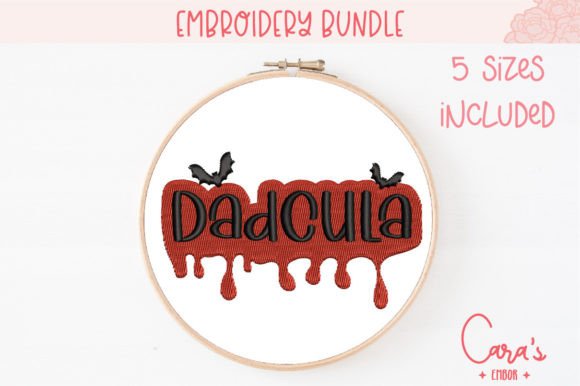
The title Dadcula immediately suggests a playful, pun-based approach to the Halloween season. In the world of branded merchandise, humor and relatability are powerful drivers of sales. This design does not aim for the terrifying or the grotesque; instead, it leans into a friendly, approachable aesthetic. When evaluating a design for small business merch, we look for visual cues that signal quality. Is it bold? Is it readable? Does it feel premium or cheap?
Based on the description, Dadcula appears to be a decorative piece suitable for a wide range of applications. The playful nature of the concept makes it ideal for brands that want to show personality without losing professionalism. It feels modern yet classic in its nod to pop culture tropes. For a handmade brand, this type of design can bridge the gap between seasonal novelty and year-round charm if executed correctly. The key lies in the digitization quality, which determines how clean the lines appear once stitched out.
Real-World Applications for Commercial Embroidery
For small business owners, the versatility of a digital embroidery file is its greatest asset. Let us explore how Dadcula performs in various commercial contexts. The product description suggests use on home decor, clothes, accessories, and bedsheets. However, from a business perspective, we need to narrow this down to high-value items.
Branded Patches and Apparel Accents
One of the most profitable avenues for this design is the embroidered patch. Patches allow customers to add personality to existing garments, making them a low-risk, high-reward product for crafters. Dadcula could serve as a chest logo accent on work shirts or a sleeve detail on denim jackets. For staff uniforms in creative studios, bakeries, or boutiques, a subtle nod to Halloween via a well-placed patch can boost team morale and customer engagement during the holiday season.
Tote Bags and Apron Embroidery
Tote bag design is another strong candidate. Totes are canvas staples for florists, pet brands, and local markets. Embroidering Dadcula onto a sturdy cotton tote adds texture and perceived value compared to printed ink. Similarly, apron embroidery for bakery staff or baristas can turn a uniform into a conversation starter. The design’s playful tone fits well in casual service environments where connecting with customers is key.
Cap Embroidery and Headwear
When considering cap embroidery, we must be mindful of the curved surface. Caps require designs that are compact and have balanced stitch density to prevent puckering. If Dadcula has a compact layout, it could work beautifully on the front panel of a dad hat or beanie, offering a trendy, seasonal accessory for your shop.
Technical Considerations and Limitations
While the creative potential is high, the technical execution requires caution. The product description explicitly states: Resizing or editing the design is not recommended and the quality of the design cannot be guaranteed. This is a critical warning for any professional embroiderer. Digitizing is a complex process, and altering the size of a file without re-digitizing can lead to poor stitch formation, thread breaks, and distorted images.
Therefore, you must verify the available hoop size options before purchasing. If the design is only available in a large hoop size, it may not be suitable for small patches or pocket logos. Always check the stitch count and density. High stitch density can make a design stiff and heavy, which is undesirable for lightweight fabrics like t-shirts or bedsheets. Conversely, low density might look sparse on thick materials like denim or canvas tote bags.
Fabric Texture and Stabilizer Selection
The success of Dadcula will heavily depend on the fabric texture and the correct use of stabilizer. For textured fabrics like towels or rough linen, a cut-away stabilizer is often necessary to support the stitches. For stretchy knits used in t-shirts, a tear-away or wash-away stabilizer might be preferred to maintain comfort. Always test the design on a scrap piece of your actual production fabric. This step is non-negotiable for maintaining the quality of your finished product.
Impact on Brand Identity and Customer Trust
Incorporating seasonal designs like Dadcula into your inventory can significantly enhance your brand identity. It shows that your business is active, current, and attentive to cultural moments. However, consistency is vital. Ensure that the thread colors you choose align with your overall brand palette. Even though it is a Halloween design, using your brand’s signature colors can make the item feel like a cohesive part of your collection rather than a random addition.
Professionalism in embroidery builds customer trust. A clean, well-stitched design signals attention to detail. If Dadcula is used on customer gifts or event merch, it reflects the care your business puts into every interaction. Poorly executed embroidery, on the other hand, can damage reputation. This is why testing is essential. Create a printable mockup for client approval if you are doing custom orders, but always back it up with a physical sample.
Practical Designer Notes for Production
Before you load this embroidery file into your machine for a production run, consider these practical steps:
- Test in Black and White: Before committing to colorful threads, stitch the design out in black thread on white fabric. This helps you inspect the spacing, outline clarity, and overall structure without the distraction of color.
- Check Small Patch Viability: If you plan to sell small patches, ensure the details in Dadcula do not become muddy at reduced sizes. Since resizing is not recommended, you must use the smallest provided hoop size if available.
- Review Thread Color Contrast: Choose thread colors that provide sufficient contrast against your garment color. Dark uniforms may require lighter threads to make the design pop.
- Confirm Commercial Licensing: Always verify the license terms associated with the design assets. Ensure you have the right to use the design for commercial embroidery and selling finished goods.
- Compare with Other Assets: Place Dadcula beside your other design offerings to ensure visual consistency in your shop.
Final Verdict for Small Business Owners
Dadcula offers a charming, versatile option for businesses looking to capitalize on the Halloween market or add a touch of whimsical flair to their everyday merchandise. Its suitability for custom apparel, patches, and home decor makes it a flexible addition to your library of design assets. However, the restriction on resizing means you must be strategic about placement and product selection. By respecting the technical limitations, choosing the right stabilizers, and testing thoroughly, you can leverage this design to create high-quality, engaging products that resonate with your customers. Remember, the goal is not just to sell a product, but to deliver a handmade product experience that reinforces your brand’s commitment to quality and creativity.