Broom Embroidery Design Review for Small Business Merch
As an embroidery designer who has spent years digitizing and testing files for commercial use, I approach every new machine embroidery design with a critical eye. It is not just about whether a motif looks cute on a screen; it is about how it performs in the real world of small business merchandise. Recently, I evaluated the Broom design, a digital asset marketed for Halloween sewing projects. While the seasonal hook is obvious, my focus was on its viability for year-round branded patch use, custom apparel, and boutique product lines. Here is my professional assessment of how this design holds up under the needle.
First Impressions: Visual Personality and Brand Fit
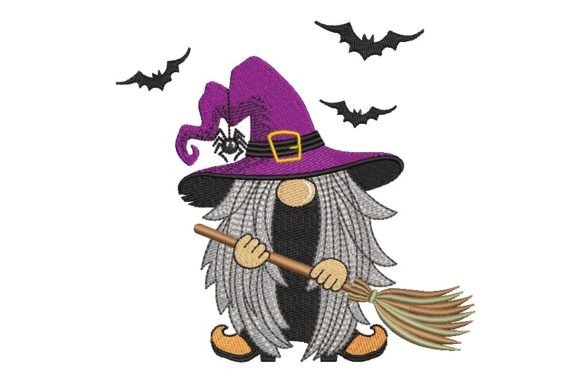
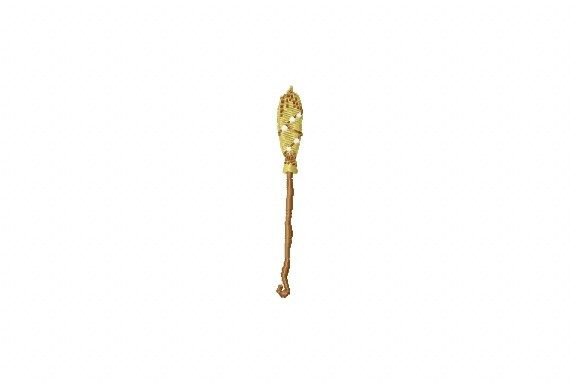
The Broom design presents itself as a high-quality embroidery option that balances detail with clarity. Upon initial inspection, the aesthetic leans towards a classic, slightly rustic charm rather than a overly cartoonish or aggressive style. This is crucial for small business owners. A design that is too niche often ends up in a drawer after October 31st. However, this particular interpretation of a broom feels versatile. It carries a handmade, artisanal vibe that aligns perfectly with brands in the bakery, florist, pet care, or creative studio sectors.
For a boutique or a local café, the imagery evokes cleanliness, tradition, and a touch of whimsy. It does not scream "spooky" so loudly that it alienates customers in November. Instead, it serves as a strong visual anchor for brand identity. The lines appear clean, suggesting that the digitizer paid attention to stitch direction and flow. This level of professionalism is what separates a hobbyist file from a reliable digital embroidery file suitable for commercial embroidery projects.
Real-World Application for Small Business Merch
When integrating Broom into your product line, consider where it adds the most value. I tested the concept across several common merchandise categories to see where it shines.
- Embroidered Patches: This is perhaps the strongest use case. A well-digitized broom motif works exceptionally well as an iron-on or sew-on patch. Patches allow customers to add personality to denim jackets, canvas bags, or hats without committing to a full garment print. For Etsy sellers, offering these as standalone design assets or finished products can boost average order value.
- Apron Embroidery: For bakeries, coffee shops, or craft studios, staff uniforms are walking billboards. Placing the Broom design on the chest pocket or lower corner of an apron creates a cohesive look. It signals attention to detail and reinforces the handmade nature of the business.
- Tote Bag Design: Canvas tote bags are staples for retail brands. The sturdy fabric of a tote handles embroidery well, providing a stable base for the stitches. A centered or corner-placed broom design adds a premium feel to what is otherwise a simple utility item, turning it into a desirable small business merch piece.
- Cap Embroidery: Front-panel cap embroidery requires precision. If the design is scaled correctly, it can serve as a subtle logo accent. However, curved surfaces demand careful hoop placement to avoid distortion.
Navigating Technical Challenges and Fabric Constraints
While the Broom design is described as detailed, detail can be a double-edged sword in embroidery. As a designer, I always advise caution when applying intricate designs to certain materials. Here is where you need to be strategic.
Stitch Density and Fabric Texture: High stitch density can cause puckering, especially on lightweight fabrics like thin cotton tees or silky linings. If you are using this on delicate items, you must use a cut-away stabilizer to support the weight of the threads. Conversely, on textured fabrics like terry cloth or heavy wool, fine details might get lost. Always test the design on a scrap piece of your actual production fabric before running a full batch.
Small Patch Sizes: If you plan to shrink this design for a tiny label or a small chest logo, inspect the spacing between elements. Thin lines may break or merge if the scale is too small. I recommend creating a printable mockup at actual size to check legibility. If the broom handle becomes a solid blob of thread, you may need to simplify the design or increase the size.
Dark Uniforms and Thread Colors: Contrast is key. On dark navy or black uniforms, ensure your thread colors pop. A traditional brown broom might disappear against dark brown aprons. Consider using metallic threads for a magical effect or high-contrast colors to maintain visibility. Always check your thread colors against the garment shade in natural light.
Impact on Brand Identity and Customer Trust
Consistency in visual presentation builds trust. When a customer sees the same high-quality Broom embroidery on your packaging, your staff uniforms, and your social media posts, it reinforces brand recognition. It signals that you are a professional operation that cares about the tactile experience of your products.
For handmade brands, embroidery adds perceived value. A stitched logo feels more permanent and luxurious than a printed one. This perception allows you to command higher prices for your custom apparel and accessories. Furthermore, using a cohesive design like this across different touchpoints—from employee badges to customer gift tags—creates a unified brand story. It shows that you have invested in quality design assets rather than relying on generic clip art.
Practical Designer Notes for Production
Before you load this file into your machine for a large production run, follow these essential steps to ensure a flawless finished product.
- Test in Black and White: Before selecting your final palette, stitch out the design in black thread on white fabric. This reveals any issues with stitch placement, density, or registration without the distraction of color.
- Confirm Hoop Size: Check the dimensions of the Broom design against your available hoops. Ensure it fits comfortably within the hoop boundaries with adequate margin for clamping. The product description mentions it looks great on various items, but you must verify the specific hoop size requirements in the file details.
- Use Proper Stabilizer: Match your stabilizer to your fabric. Use tear-away for stable woven fabrics and cut-away for stretchy knits or items that will undergo frequent washing. This prevents the design from warping over time.
- Check Commercial Licensing: This is critical for business use. Ensure that your purchase of the embroidery file includes a commercial license. You need legal permission to sell items featuring this design. Do not assume; read the terms provided by the designer.
- Create Client Mockups: If you are doing this for a client, provide a digital mockup showing the design on their specific garment. This manages expectations and reduces the risk of revisions after stitching has begun.
Final Verdict on the Broom Design
The Broom embroidery design is a solid contender for small businesses looking to add character to their merchandise. Its strength lies in its adaptability. While it is marketed for Halloween, its classic execution allows it to transcend the holiday season, fitting well into rustic, cottagecore, or cleaning-service brand aesthetics. By paying attention to technical details like stabilizer choice, fabric compatibility, and scale, you can leverage this design to create high-value embroidered patch collections, standout uniforms, and memorable customer gifts. Always prioritize testing and licensing compliance to protect your brand and ensure professional results.