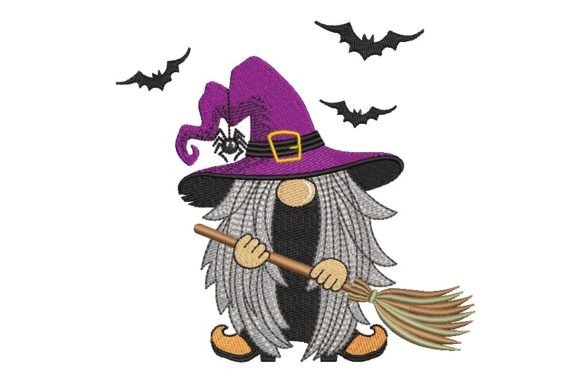
Gnome Witch Embroidery Design Review
As an embroidery designer who spends countless hours digitizing and testing files for commercial use, I approach every new machine embroidery design with a critical eye. It is not just about whether a motif looks cute on a screen; it is about how it translates to fabric, how it holds up under stress, and whether it adds tangible value to a small business’s product line. Recently, I evaluated the Gnome Witch design, a piece that promises to blend spookiness with cuteness for seasonal projects. For boutique owners, Etsy sellers, and apparel decorators, understanding the practical application of this file is essential before adding it to your digital library.
First Impressions: Balancing Whimsy and Professionalism
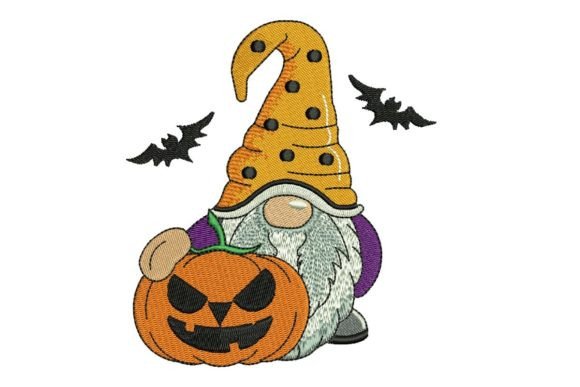
The immediate visual impact of the Gnome Witch is its ability to straddle the line between playful and polished. In the world of Halloween merchandise, designs often lean too heavily into gore or horror, which limits their appeal to family-friendly brands. Alternatively, some designs are so simplistic they lack professional weight. This design appears to hit a sweet spot. It offers a character-driven aesthetic that feels handmade yet refined. For a creative studio or a local bakery looking to update their seasonal branding, this balance is crucial. It suggests a brand personality that is approachable, fun, and attentive to detail without being overly aggressive.
When reviewing the description, which notes that the design comes in multiple embroidery file formats, my first thought is versatility. A robust digital embroidery file package is non-negotiable for professional use. We need compatibility across various machine brands, from Brother to Janome to Bernina. The promise of format variety indicates that the creator understands the diverse hardware landscape of modern embroidery shops.
Real-World Applications for Small Business Merch
Let us move beyond theory and discuss where this design actually shines in a commercial setting. The Gnome Witch is not just a decoration; it is a tool for building brand identity. Here is how I envision it performing across different product categories:
- Embroidered Patches: This is perhaps the strongest use case. A well-digitized gnome character works beautifully as an iron-on or sew-on patch. Patches allow customers to customize their own jackets or bags, increasing engagement. The distinct silhouette of a witch gnome ensures high recognizability even at smaller scales.
- Apron Embroidery: For florists, bakers, or baristas, a seasonal apron adds a touch of festivity to staff uniforms. Placing the Gnome Witch on the chest pocket or the lower corner of a canvas apron creates a subtle, professional accent that sparks conversation with customers.
- Cap Embroidery: Front-panel caps are a staple of custom apparel. However, curved surfaces require careful digitizing. If the design has appropriate pull compensation, it can sit cleanly on a twill cap. This is ideal for coffee shops or boutiques selling branded headwear during October.
- Tote Bag Design: Canvas tote bags are popular small business merch items. A centered or corner-placed gnome witch adds value to a simple bag, transforming it from a utility item into a seasonal gift. The contrast of colorful threads against natural canvas usually yields a premium look.
- Product Packaging Accents: Imagine a small tag attached to a handmade soap or candle. Embroidering this design onto a small fabric label elevates the perceived value of the handmade product, signaling that care went into every detail.
Technical Considerations and Potential Pitfalls
While the aesthetic appeal is strong, we must address the technical realities of production. Not every design works everywhere. As a designer, I advise caution in the following areas when using the Gnome Witch:
Stitch Density and Fabric Texture: Gnome characters often involve filled areas for hats and beards. High stitch density can cause puckering on lightweight fabrics like thin cotton or polyester blends. Always test on a scrap piece of your actual inventory fabric. If you are embroidering on a textured towel or a thick denim jacket, the design may need adjustment to prevent sinking or distortion.
Small Patch Sizes: If you plan to shrink this design for a tiny chest logo or a minimalist patch, inspect the details. Fine lines in the witch’s hat or facial features can merge if the scale is too small. Ensure there is sufficient spacing between elements. A good rule of thumb is to run a test stitch-out at the smallest intended size to verify clarity.
Thread Colors and Contrast: The success of this design relies heavily on your thread colors. A gnome witch typically requires specific hues—orange, black, purple, or skin tones. On dark uniforms, you may need to add an underlay or choose lighter thread shades to ensure the design pops. Conversely, on light fabrics, ensure your dark outlines are dense enough to cover the background fabric completely.
Curved Surfaces: When applying this to caps or curved sleeves, hoop stability is key. Use a strong stabilizer to prevent shifting. If the design is wide, it might distort on a narrow cap panel. Check the width of the design against your standard cap hoops before promising it to a client.
Enhancing Brand Identity and Customer Trust
Why does this matter for your bottom line? Consistent, high-quality embroidery builds trust. When a customer sees a crisp, well-executed Gnome Witch on a tote bag or uniform, they perceive the brand as professional and established. It moves the item from "cheap promo gear" to "desirable merchandise."
For Etsy sellers and crafters, offering unique, seasonal designs keeps your shop relevant. It encourages repeat visits from customers who look forward to your holiday collections. Furthermore, using a cohesive design asset across multiple products—patches, shirts, and tags—creates a unified visual language. This consistency strengthens brand recognition. Customers begin to associate that specific whimsical style with your business, fostering loyalty.
Practical Designer Notes for Production
Before you load this file into your machine for a large production run, follow these steps to ensure a flawless finished product:
- Test in Black and White First: Run a monochrome test to check for stitching order and density issues without worrying about color changes. This helps identify any registration problems early.
- Verify Hoop Size: Confirm that the design fits within your standard hoops. While the description mentions multiple formats, it does not specify exact dimensions. Measure the design in your software to ensure it fits your intended application, whether it is a 4x4 patch or a 5x7 shirt chest.
- Create a Printable Mockup: Before stitching, place the design digitally on a photo of your product. Send this printable mockup to clients for approval. This manages expectations and reduces the risk of disputes over placement or size.
- Check Commercial Licensing: Always confirm the license terms. Ensure you have the right to use the commercial embroidery file for physical goods you intend to sell. Most designers allow this, but it is vital to read the specific agreement included with the download.
- Inspect Spacing and Jump Stitches: Open the file in your editing software. Look for unnecessary jump stitches that could snag on clothing. Trim them or edit the path if necessary to streamline production time.
Final Verdict for Merch Creators
The Gnome Witch represents a solid addition to a seasonal design portfolio. It offers the flexibility needed for various applications, from rugged workwear accents to delicate gift items. By paying attention to stabilizer choice, thread contrast, and scale, you can leverage this design to create high-margin, attractive merchandise. Remember, the goal is not just to embroider a picture, but to create a tactile experience that enhances your brand. With proper testing and strategic placement, this Halloween-themed asset can drive engagement and sales for your small business.