Reviewing Ancient Pottery of Thailand for Craft Fairs
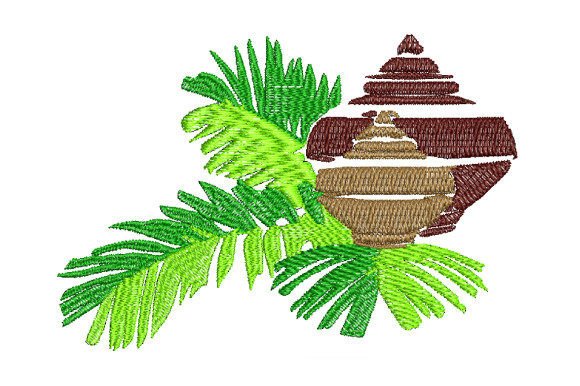
As an embroidery designer who has spent countless weekends behind a booth table, I know that the difference between a glance and a sale often comes down to visual impact. When I first loaded the Ancient Pottery of Thailand machine embroidery design onto my screen, I was looking for more than just aesthetic appeal. I was evaluating its potential as a high-converting craft fair product. This design, rooted in the rich tradition of Asian handicrafts, offers a unique blend of cultural elegance and rustic charm that stands out in a market saturated with generic farmhouse or minimalist motifs.
First Impressions: Elegance Meets Rustic Charm
The immediate vibe of this pattern is sophisticated yet grounded. Because the design is inspired by elaborately molded handmade pottery, it carries a sense of history and artisanal quality. It does not scream for attention with neon brightness; instead, it invites closer inspection. For a boutique maker, this is invaluable. It feels premium and decorative, fitting seamlessly into a brand identity that values heritage and slow living. The shapes and patterns inherent in Thai pottery translate beautifully into thread, offering a texture that looks expensive even when stitched on affordable blanks.
For Etsy sellers and small shop owners, this visual language is crucial. Customers scrolling through digital listings are drawn to items that tell a story. The Ancient Pottery of Thailand embroidery file provides that narrative instantly, suggesting a connection to global arts and crafts without feeling kitschy. It strikes a balance between being bold enough to notice from three feet away and detailed enough to reward a customer who picks up the item.
Product Versatility and Market Fit
When preparing my display for a weekend market, I consider which items will carry the design best. This pattern is remarkably versatile, but it shines brightest on specific mediums. Here is how it performs across various popular handmade products:
- Tote Bags and Market Bags: This is arguably the strongest application. A large hoop size allows the intricate shapes of the pottery to breathe. On a natural canvas tote, the earthy tones of the thread colors complement the fabric texture, creating a cohesive, eco-friendly look that appeals to conscious consumers.
- Aprons and Tea Towels: For kitchenware, the design adds a touch of worldly sophistication. Apron embroidery placed on the bib creates a focal point that elevates a simple cotton apron into a giftable item. However, for tea towel embroidery, one must be cautious about the fabric texture. Terry cloth can obscure fine details, so this design works better on flat-woven linen or cotton towels where the stitch definition remains crisp.
- Embroidered Patches: If you are selling smaller, lower-price-point items, turning this into an embroidered patch is a smart move. Patches allow customers to customize their own jackets or bags. The distinct outlines of the pottery shapes hold up well at smaller scales, provided the stitch density is adjusted to prevent puckering.
- Pillow Covers and Home Decor: As a central motif on a throw pillow, the design acts as a statement piece. It pairs wonderfully with neutral home decor trends, adding a splash of cultural interest without overwhelming the room.
Production Practicality for the Busy Maker
From a production standpoint, time is money. A design that takes too long to stitch or frequently breaks threads is a liability for a small business. The Ancient Pottery of Thailand design appears to be optimized for efficiency while maintaining quality. The flowing lines of the pottery molds suggest smooth satin stitches or well-digitized fill areas that should run cleanly on most commercial embroidery machines.
However, there are careful-use notes every crafter should heed. Because the inspiration comes from elaborately molded clay, there may be areas of higher stitch density to capture the depth and shadow of the original artifacts. When stitching on thick fabric or curved surfaces like caps, this density can cause pulling. I strongly recommend using a cut-away stabilizer for garments that will be washed frequently, and a tear-away for stable home decor items. Always test the design on scrap fabric first. This step is non-negotiable. You need to verify that the thread colors contrast sufficiently against your chosen fabric. A dark thread on a dark navy cap, for instance, might lose all clarity, turning a beautiful design into an indistinguishable blob.
Visual Appeal and Customer Engagement
In a crowded craft fair aisle, your booth display strength relies on variety and cohesion. Using Ancient Pottery of Thailand across a range of products creates a branded collection. Imagine a table featuring a tote bag, a matching apron, and a set of coasters, all sharing this same motif. This consistency signals professionalism and helps buyers visualize the lifestyle associated with your brand. It increases perceived value, allowing you to price your finished product higher than unbranded generics.
Furthermore, this design photographs exceptionally well for online listings. The organic shapes and cultural references provide excellent content for social media. You can create engaging posts about the inspiration behind Thai handicrafts, linking the history of the pottery to the modern utility of the embroidery. This storytelling aspect drives buyer engagement and helps convert casual browsers into loyal customers.
Essential Designer Notes for Success
Before you commit to batch production, there are several technical checks you must perform. First, confirm the hoop size requirements. If the design is large, ensure your machine can accommodate it without re-hooping, which can lead to alignment issues. Second, review the stitch density settings in your software if you have access to edit the digital embroidery file. Reducing density slightly on lightweight fabrics can prevent distortion.
Additionally, create at least one real mockup before listing the item. While printable mockups are useful for initial concepts, seeing the thread sheen and texture in person is vital for quality control. Compare different fabric colors to see which makes the design pop. Earth tones, creams, and deep blues often work best with Asian-inspired motifs, but testing is key.
Finally, always confirm commercial licensing. Ensure that your purchase of the design assets includes the right to sell the finished product. Most reputable designers allow this, but it is crucial to read the terms. Once cleared, this design becomes a powerful tool in your arsenal, offering a unique, culturally rich aesthetic that resonates with today’s handmade market.
In conclusion, Ancient Pottery of Thailand is more than just a pattern; it is a strategic asset for the serious embroidery entrepreneur. It balances artistic integrity with commercial viability, offering a distinctive look that stands out in both physical booths and digital storefronts. By paying attention to fabric choice, stabilizer selection, and product placement, you can leverage this design to create standout items that celebrate the beauty of global craftsmanship.