But First Coffee: A Designer’s Review for Craft Fairs
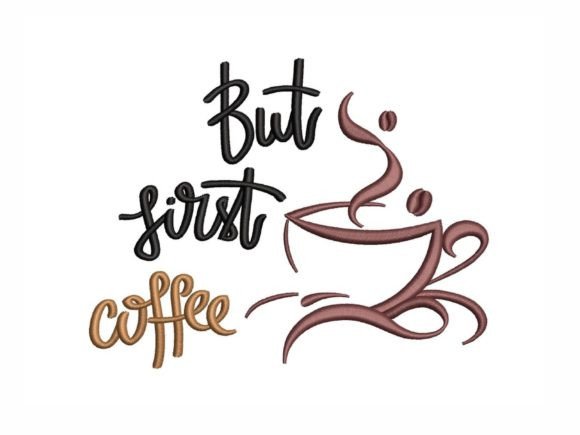
As an embroidery designer who has spent countless weekends behind a craft fair table, I have learned that success is not just about technical skill. It is about understanding what stops a customer in their tracks. When I pulled up the But First Coffee design on my screen this morning, my immediate reaction was one of recognition. This is not just another cute phrase; it is a lifestyle statement that resonates deeply with the modern consumer. For those of us running small shop products or Etsy stores, finding a design that bridges the gap between humor and home decor is gold.
The concept is simple yet powerful. If you love coffee and creative embroidery designs, this one is for you. It promises to perfectly decorate your kitchen, suggesting versatility across tablecloths, napkins, tea towels, aprons, and more. But does it hold up under the scrutiny of a professional review? Let’s break down how this design performs in the real world of handmade production and sales.
First Impressions: Modern Minimalism Meets Daily Ritual
The first thing I noticed about But First Coffee is its tone. It feels modern, slightly witty, and undeniably relatable. In the context of current trends, it leans towards a clean, minimalist aesthetic that fits seamlessly into farmhouse, industrial, or contemporary kitchens. It does not scream for attention with overly complex flourishes; instead, it relies on the strength of the message and the quality of the stitch work. This makes it an ideal candidate for buyers who appreciate understated elegance over loud, decorative chaos.
For a craft fair booth, this mood is crucial. Customers are often overwhelmed by visual noise. A design that feels calm and familiar invites them to pick up the item and imagine it in their own home. The phrase itself acts as a conversation starter, allowing you to engage with potential buyers about their morning routines, which is a fantastic way to build rapport and close a sale.
Versatility Across Product Lines
One of the strongest assets of this machine embroidery design is its adaptability. During my review, I visualized it on several key items that are staples for any embroidery business owner.
- Apron Embroidery: This is perhaps the most natural fit. An apron with this phrase stitched near the chest or pocket area becomes an instant gift item. It appeals to the home cook who takes pride in their morning brew.
- Tea Towel Embroidery: Kitchen textiles are high-volume sellers. The design works beautifully on linen or cotton blends. However, you must consider the fabric texture. A smooth weave will showcase the stitches better than a highly textured waffle weave, which might obscure finer details.
- Tote Bag Design: Canvas totes are durable and popular. Placing this design centrally on a tote creates a bold statement piece. It transforms a simple bag into a branded accessory for coffee runs.
- Embroidered Patch: If you offer patches, this design could be scaled down effectively. Patches allow customers to customize their own jackets or bags, adding value to your digital embroidery file offerings.
- Caps and Headwear: Curved surfaces are tricky. While possible, ensure the design is not too wide. A smaller, centered placement on a dad hat or trucker cap can look very chic, provided the stabilizer is robust enough to prevent puckering.
Production Practicality and Batch Selling
From a production standpoint, time is money. When evaluating a design for commercial embroidery, I look for efficiency. But First Coffee appears to be designed for clarity. The lettering seems straightforward, which suggests it may not require excessive thread changes if you choose a monochromatic or two-tone color scheme. This is vital for batch production. If you are preparing for a weekend market, you need designs that can be hooped, stitched, and finished quickly without compromising quality.
Photography is another critical factor. This design photographs exceptionally well because the text is legible even in thumbnail images on Etsy or Instagram. For your online listings, create a printable mockup that shows the design in a realistic kitchen setting. Show the contrast between the thread colors and the fabric. High-contrast combinations, such as white thread on navy linen or dark brown thread on cream canvas, tend to perform best in digital storefronts.
Careful-Use Notes for Professional Results
While the design is user-friendly, there are technical considerations to keep in mind to ensure your finished product looks premium.
- Stitch Density: Check the stitch density of the lettering. If the design is too dense, it can cause the fabric to pucker, especially on lighter materials like tea towels. Always test on scrap fabric first.
- Small Lettering: If you plan to scale the design down for small pouches or patches, ensure the smallest letters remain readable. Tiny details can get lost if the hoop size is too small or if the thread thickness is too heavy.
- Fabric Choice: Dark fabrics require careful thread selection. Ensure your thread colors have enough brightness to stand out. Conversely, on light fabrics, avoid threads that are too similar in shade to the background, as the design may disappear from a distance.
- Stabilizer Selection: The right stabilizer is non-negotiable. For stretchy fabrics like some tote bags or caps, use a cut-away stabilizer. For woven kitchen towels, a tear-away might suffice, but test for residue.
Enhancing Brand Consistency and Buyer Engagement
Incorporating But First Coffee into your product line can strengthen your brand identity. If your shop focuses on kitchenware or cozy home goods, this design reinforces that niche. It signals to your customers that you understand their lifestyle. This emotional connection drives buyer engagement. When a customer sees a design that reflects their daily habits, they are more likely to perceive the item as a "must-have" rather than a impulse buy.
Furthermore, this design serves as an excellent booth sample. Displaying it on a variety of items—such as a pillow cover, a market bag, and a set of napkins—shows the versatility of your skills. It demonstrates that you can handle different fabric types and hoop sizes, building trust in your craftsmanship.
Final Designer Recommendations
Before you commit to full-scale production, take these practical steps. First, confirm the commercial licensing terms of the digital embroidery file. Never assume a design is free for commercial use unless explicitly stated. Next, create at least one real mockup. Stitch it out on the exact fabric you intend to sell. Check the spacing and alignment. Does it sit straight? Is the tension balanced?
Compare different fabric colors side by side. You might find that a rustic burlap gives it a different vibe than a crisp cotton percale. Finally, consider offering it as part of a bundle. Pair the embroidered apron with a matching tea towel for a higher-value gift set. This strategy increases your average order value and makes your handmade product stand out in a crowded marketplace.
In conclusion, But First Coffee is a strong contender for your next collection. It balances aesthetic appeal with production efficiency, making it a smart choice for embroidery business owners looking to expand their inventory with reliable, best-selling items. With careful attention to detail and strategic marketing, this design can become a staple in your shop, driving both online sales and face-to-face interactions at your next craft fair.