Review: Sometimes I Fall Apart and That s Okay
As an embroidery designer who has spent years digitizing logos and testing files for small business merchandise, I approach every new machine embroidery design with a critical eye. It is not just about whether the artwork looks pretty on a screen; it is about how it performs on fabric, how it holds up in the wash, and most importantly, how it serves the brand identity of the client using it. Today, I am reviewing Sometimes I Fall Apart and That s Okay, a design that sits squarely in the Awareness category. This piece offers a unique opportunity for boutique owners, Etsy sellers, and creative studios to connect with their audience on a deeper, more human level through Embroidery.
First Impressions and Visual Personality
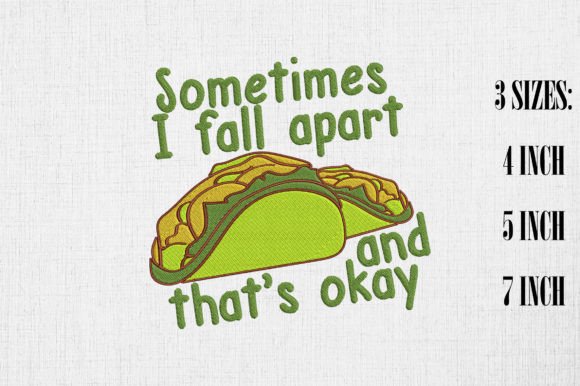
The title itself, Sometimes I Fall Apart and That s Okay, suggests a design that is vulnerable yet resilient. In the world of branded merchandise, this is a powerful statement. My first impression is that this design feels handmade, authentic, and approachable. It does not scream corporate rigidity; instead, it invites connection. For a small business owner, this visual personality is invaluable. It signals to customers that the brand values mental health, self-care, and authenticity.
When evaluating the aesthetic, I look for balance. Does the text flow well? Is the font choice legible when stitched out? Based on the description, this design is intended to beautifully complement t-shirts, dresses, scarves, and home decor. This versatility suggests a layout that is likely clean and adaptable. Whether it leans towards a rustic, hand-lettered feel or a modern, minimalist sans-serif, the core message requires clarity. A design like this must avoid being overly decorative to the point where the message is lost in the stitches.
Real-World Business Applications
For small business owners, the utility of a digital embroidery file is measured by its adaptability. Here is how I envision Sometimes I Fall Apart and That s Okay performing in real commercial embroidery projects:
- Branded Patches: This is perhaps the strongest use case. An embroidered patch featuring this message can be sold as a standalone product or added to jackets and bags. Patches allow for high stitch density and detailed outlines without worrying about the stretch of the underlying garment.
- Staff Uniforms and Aprons: For cafes, bakeries, and creative studios, staff apparel is a walking billboard. Using this design on an apron embroidery project can create a warm, welcoming atmosphere. It tells customers that the staff are human, approachable, and care about well-being.
- Tote Bags and Caps: A tote bag design with this message appeals to the conscious consumer. Similarly, cap embroidery offers a subtle way to wear the message. However, caps require careful digitizing due to the curved surface and limited space.
- Etsy Branding and Gifts: Handmade brands often include small gifts with orders. A small embroidered tag or pouch with this phrase adds significant perceived value to the finished product, enhancing customer trust and engagement.
Technical Considerations for Production
While the sentiment is beautiful, the technical execution determines the quality of the custom apparel. As a designer, I must advise caution in specific areas. The phrase "Sometimes I Fall Apart and That s Okay" contains a moderate number of characters. If this design includes long lines of text, readability becomes a challenge at smaller sizes.
Stitch density is a critical factor. If the design is too dense, it can cause puckering, especially on lighter fabrics like t-shirts or scarves. Conversely, if the density is too low, the fabric may show through, ruining the visual impact. When using this design on textured fabric, such as canvas totes or wool blends, you must ensure the thread colors contrast sufficiently with the background. Dark uniforms may require underlay stitching or a change in thread color to maintain visibility.
Another concern is the hoop size. The description notes that the file comes in multiple formats, but it does not specify the exact dimensions. Before production, you must confirm the hoop size compatibility with your machine. If the design is large, it may require re-hooping or a multi-position setup, which increases production time and cost. For small patch sizes, ensure that the lettering does not become so small that the stitches merge together, creating a blob rather than legible text.
Impact on Brand Identity and Customer Trust
In today’s market, brand identity is built on connection. Using a design like Sometimes I Fall Apart and That s Okay signals emotional intelligence. It moves beyond simple logo placement to create a narrative. For handmade product sellers, this aligns perfectly with the ethos of craftsmanship and care. It enhances the visual consistency of a brand that positions itself as supportive and community-focused.
When customers see this message on a high-quality embroidered item, it reinforces professionalism. It shows that the business has invested in thoughtful design assets rather than generic clip art. This attention to detail builds recognition and trust. A well-executed printable mockup showing this design on various products can significantly boost buyer engagement on platforms like Etsy or Shopify, as it helps the customer visualize the emotional benefit of the purchase.
Practical Designer Notes for Best Results
To ensure success with this machine embroidery design, follow these practical steps before running a full production batch:
- Test in Black and White First: Stitch out a sample using only black thread on white fabric. This reveals any issues with spacing, legibility, or stitch structure without the distraction of color.
- Check Small Patch Viability: If you plan to sell patches, test the design at the smallest intended size. Ensure the text remains readable and the edges are clean.
- Review Thread Color Contrast: Choose thread colors that stand out against your base fabric. For dark garments, consider using a lighter thread or adding a satin stitch border to define the edges.
- Use Proper Stabilizer: The right stabilizer is crucial for preventing distortion. Use cut-away stabilizer for stretchy fabrics like t-shirts and tear-away for stable woven fabrics like tote bags.
- Create a Mockup for Approval: Before committing to bulk production, create a digital or physical mockup. Compare the design beside other brand assets to ensure it fits your overall aesthetic.
- Confirm Commercial Licensing: Always verify the license terms included with the embroidery file. Ensure you have the right to use the design for commercial purposes, especially if you are selling the finished items or the patches themselves.
In conclusion, Sometimes I Fall Apart and That s Okay is a compelling addition to any embroidery library focused on awareness and mental health. It offers versatility for various applications, from small business merch to personal gifts. By paying attention to technical details like stitch density, fabric texture, and hoop size, you can transform this digital file into a high-value physical product that resonates with your audience. Remember to check the specific file formats and sizing details provided with the download to ensure a smooth production process. When executed with care, this design does more than decorate; it communicates, connects, and elevates your brand.