Review: You Matter Semicolon Mental Health Design
As an embroidery designer who has spent countless hours behind the hoop and even more time standing behind a craft fair table, I know that not every design translates from screen to sales. When I first pulled up the You Matter Semicolon Mental Health file, my immediate reaction was one of cautious optimism. In the world of handmade goods, awareness designs can often feel preachy or overly clinical. However, this particular piece strikes a delicate balance between modern minimalism and heartfelt advocacy.
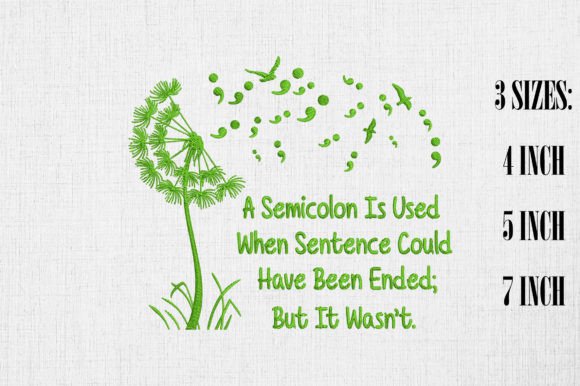
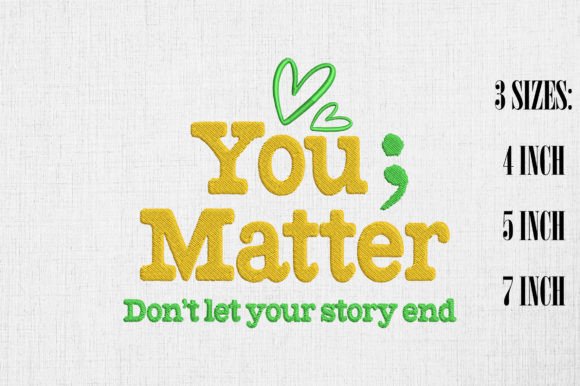
The semicolon project has become a universal symbol for mental health awareness, representing a sentence that the author could have ended but chose not to. By pairing this powerful punctuation mark with the affirmation "You Matter," the design moves beyond simple symbolism into active encouragement. For us as makers, this is gold. It is not just a graphic; it is a conversation starter. When evaluating this for a weekend market lineup, I look for three things: visual clarity, emotional resonance, and production feasibility. This design checks all three boxes, provided you approach the stitching with intention.
First Impressions and Aesthetic Appeal
The aesthetic of You Matter Semicolon Mental Health leans heavily into the modern and minimal categories. It does not rely on heavy fills or complex shading, which is a significant advantage for small shop owners looking to keep production costs low. The clean lines suggest a premium feel, avoiding the cluttered look that sometimes plagues digital embroidery files. It feels soft yet strong, making it versatile enough for both rustic farmhouse styles and sleek, contemporary boutique displays.
What stands out most is the legibility. At a craft fair, customers scan tables quickly. A design must communicate its message in under three seconds. This piece achieves that. The typography appears balanced, ensuring that the message is readable even from a few feet away. For an Etsy seller creating thumbnail images, this clarity is crucial. It photographs well against various backgrounds, allowing for high-contrast listings that stop the scroll.
Product Versatility for Craft Fairs
One of the strongest selling points of this machine embroidery design is its adaptability. I imagine setting up a booth where consistency is key, but variety keeps browsers engaged. Here is how I would deploy this design across different craft fair products:
- Tote Bags and Market Bags: This is arguably the best application. A canvas tote provides a large, flat surface that highlights the design’s clean lines. It transforms a simple bag into a statement piece about self-care and community support.
- Aprons and Tea Towels: For the home decor section, apron embroidery adds a personal touch to kitchen textiles. The design works beautifully on linen or cotton blends. Just be mindful of the fabric texture; a smooth weave will showcase the stitches better than a highly textured waffle weave.
- Caps and Hats: Placing this on a curved surface requires careful hooping. If the lettering is small, it might get lost on the curve of a dad hat. I recommend testing the hoop size carefully to ensure the text remains flat and readable.
- Embroidered Patches: Creating iron-on or sew-on patches allows customers to add this message to their existing jackets or bags. This is a fantastic low-cost small shop product that appeals to younger demographics.
- Pillow Covers: A subtle placement on a corner of a pillow cover can add a thoughtful detail to home decor without overwhelming the room’s aesthetic.
For those focusing on Awareness campaigns, this design serves as a gentle reminder rather than a loud protest. It fits seamlessly into a lifestyle brand that values mental wellness.
Production Notes and Technical Considerations
While the design is visually appealing, practical execution is where many sellers stumble. Before you commit to batch production, there are several technical factors to consider. Since the product description notes that it comes with multiple embroidery file formats, you have flexibility, but you must choose the right one for your machine.
Stitch density is a critical factor. Minimalist designs often use satin stitches or light fill patterns. If the density is too high on lightweight fabrics like t-shirts or scarves, you risk puckering. Always use an appropriate stabilizer. For knits, a cut-away stabilizer is usually safer, while woven fabrics like tote bags can handle tear-away options.
Another concern is thread colors. The impact of "You Matter" relies on contrast. On dark fabrics, ensure you are using a bright, high-visibility thread. On white canvas, a deep navy or black thread will pop. Avoid low-contrast combinations like gray on white, which may look muddy from a distance. Also, check for tiny details. If the semicolon or the dot over the 'i' is extremely small, it may not stitch out cleanly on all machines. A test run on scrap fabric is non-negotiable here.
Regarding the digital embroidery file itself, always verify the commercial licensing terms. As a professional, I assume this is cleared for commercial embroidery, but you must confirm this in the download package before selling any finished product. Never assume; always read the license.
Boosting Brand Value and Customer Engagement
Incorporating You Matter Semicolon Mental Health into your lineup does more than add inventory; it strengthens your brand identity. It signals to customers that your shop supports mental health initiatives. This emotional connection can drive buyer engagement. People are not just buying a tote bag; they are buying a symbol of solidarity.
To maximize this, create a cohesive display. Use printable mockup tools to plan your booth layout before you arrive. Group this design with other calming, supportive items. Perhaps pair the embroidered items with informational cards about mental health resources. This adds value to the handmade product and positions you as a thoughtful creator.
For online sales, use the design’s versatility to your advantage. Show it on a dress, a scarf, and home decor in your listing photos. This demonstrates the range of the design assets and helps customers visualize how it fits into their lives. Remember, the goal is to make the customer feel seen and valued, mirroring the message of the embroidery itself.
Final Verdict for Makers
The You Matter Semicolon Mental Health design is a strong contender for any maker’s library. It is timely, tasteful, and technically manageable for most intermediate embroiderers. It avoids the pitfalls of overly complex shading while delivering a powerful message. Whether you are an Etsy seller looking to expand your awareness collection or a craft fair veteran seeking a reliable bestseller, this design offers significant potential.
My advice is to start small. Stitch a few samples on different fabrics—canvas, denim, and cotton. Check the stitch density and adjust your tension if needed. Once you have perfected the look, scale up your production. This is not just a design; it is a tool for connection. And in the handmade market, connection is what ultimately drives sales. Treat this Embroidery pattern with the care it deserves, and it will likely become a staple in your craft fair product rotation.