Flowers Belt Border: A Designer’s Review
As an embroidery designer who has spent years digitizing patterns and stitching out thousands of designs, I have developed a keen eye for what works in the real world. We often get caught up in the digital preview, where every line looks crisp on a bright screen. However, the true test of any machine embroidery design is how it translates to fabric, thread, and tension. Recently, I evaluated the Flowers Belt Border to determine its viability for client projects and small business inventory. This is not just a pretty picture; it is a functional asset that requires careful consideration before hitting the start button on your machine.
First Impressions and Visual Personality
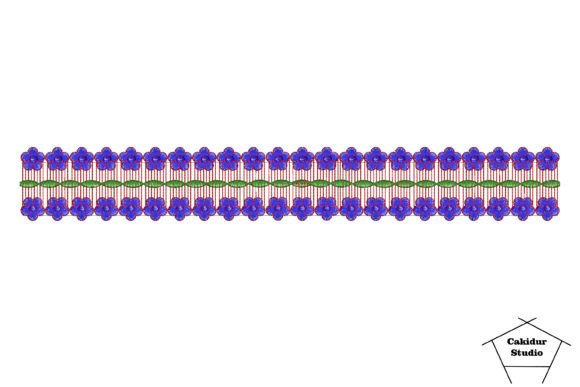
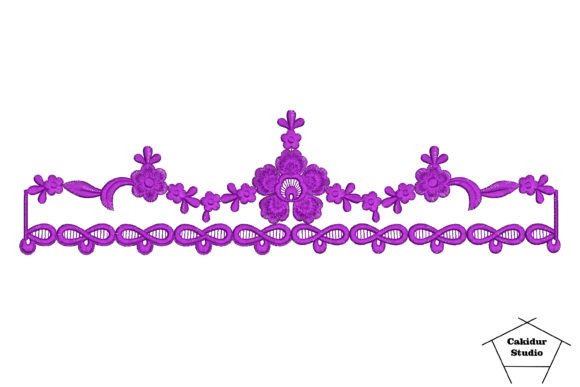
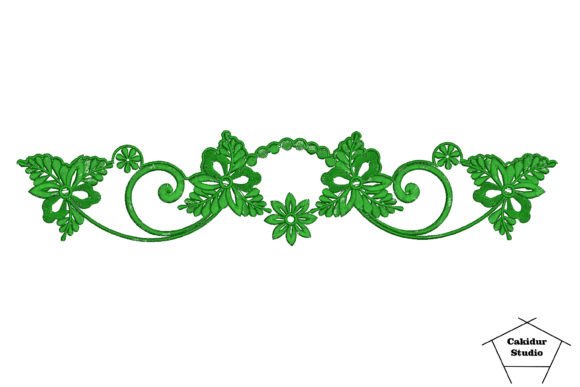
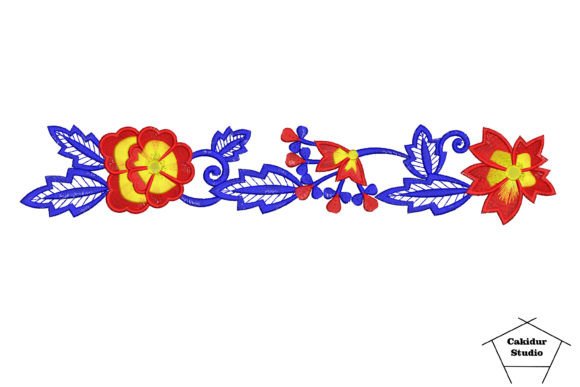
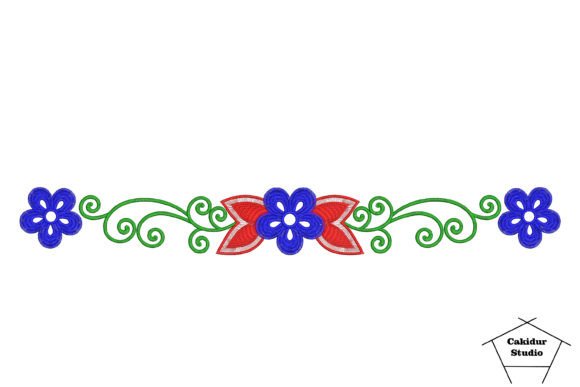
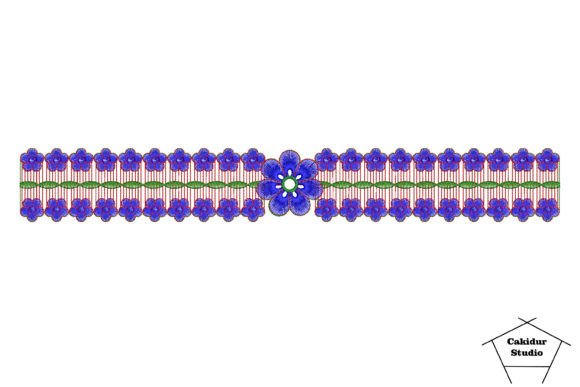
The Flowers Belt Border presents itself as an abstract floral ornament border. My immediate observation was its versatility. Unlike rigid, symmetrical patterns that demand perfect centering, this abstract approach offers a more organic feel. The mood it creates is soft yet structured, making it suitable for both modern minimalist aesthetics and traditional cottage-core styles. The layout suggests a continuous flow, which is ideal for Borders that need to wrap around an item or define a hemline.
What stands out is the balance between detail and simplicity. In Embroidery, too much detail can lead to thread breaks and puckering, while too little can look amateurish. This design seems to hit a sweet spot, offering enough visual interest to catch the eye without overwhelming the fabric. It feels like a design that respects the medium, allowing the texture of the thread to shine rather than hiding behind excessive density.
Real-World Application: The Tote Bag Test
To truly understand the potential of this pattern, I imagined applying it to a common best-seller: a canvas tote bag. For an Etsy seller or craft business owner, tote bags are a staple. The Flowers Belt Border works exceptionally well here because it can be stitched along the bottom edge or across the top rim. This placement adds a custom touch that elevates a basic blank into a handmade product with perceived higher value.
When visualizing this on a sweatshirt, the abstract nature of the flowers allows it to sit comfortably on the cuff or the hem without looking bulky. For sweatshirt embroidery, bulk is the enemy. If the stitch count is too high, the garment becomes stiff and uncomfortable. Assuming the digitizer has optimized the underlay and pull compensation, this border could provide a sophisticated accent to custom apparel without compromising wearability. It is also a strong candidate for aprons, where a decorative border can define the pocket area or the bottom edge, adding a professional finish to kitchen textiles.
Fabric Considerations and Technical Challenges
While the design is lovely, practical application requires honesty about limitations. Abstract floral patterns can be tricky on textured fabrics. If you are stitching on a waffle-knit towel or a heavy wool blend, the finer details of the Flowers Belt Border might get lost. I recommend testing this design on smooth, medium-weight cottons or poly-cotton blends first. These fabrics provide a stable canvas that allows the satin stitch and fill stitch elements to lay flat and clear.
Caution is advised when using this on stretchy fabrics like jersey knits for baby embroidery items. Without proper stabilization, the border could warp or pucker, distorting the abstract shapes. Always use a cut-away stabilizer for garments that will be washed frequently. Additionally, if you plan to use this on dark fabrics, consider how the thread colors will pop. Abstract designs rely on shape recognition; if the contrast is low, the design may look like a blur from a distance. I always suggest creating a black-and-white mockup to check for clarity before committing to expensive threads.
Hooping and Placement Strategy
One of the biggest challenges with border designs is hooping. Since the Flowers Belt Border is likely longer than it is tall, you need to ensure your hoop size accommodates the full width or that you are prepared to hoop and re-hoop for continuous runs. For smaller items like caps or hats, this design might need to be scaled down significantly. Be careful here: scaling down too much can cause the stitches to merge, losing the definition of the abstract flowers. Always check the minimum recommended size provided with the digital embroidery file.
For curved surfaces like caps, the rigidity of a border design can be problematic. The fabric curves, but the design is linear. This can lead to gaps or distortion at the edges. I would reserve this design primarily for flat surfaces like tote bag designs, pillow covers, or table runners. If you must use it on a cap, limit it to the front panel where the surface is flattest, and avoid wrapping it around the side seams.
Commercial Viability and Brand Consistency
For small shop products and boutique branding, consistency is key. The Flowers Belt Border offers a recognizable visual signature. If you use this as a standard hem detail across your product line—on towels, aprons, and bags—it creates brand cohesion. Customers begin to associate that specific floral motif with your quality and style. This enhances customer trust and encourages repeat purchases.
Furthermore, this design is excellent for personalized gifts. Because it is a border, it leaves ample negative space above or below for adding names, dates, or monograms. This combination of decorative border and personalized text increases the giftability of the item. Whether for holiday embroidery projects or wedding gifts, the ability to customize makes the final product more meaningful to the buyer.
Practical Designer Notes for Best Results
Before you list this as a design asset in your shop or use it for a client order, follow these practical steps:
- Test on Scrap Fabric: Never stitch directly on your final garment. Use a scrap piece of the same fabric and stabilizer combination to check for puckering or thread breaks.
- Check Stitch Density: Review the design settings. If the density is too high for lightweight fabrics, you may need to adjust the tension or use a lighter weight thread.
- Verify Licensing: Ensure you understand the license terms for the embroidery file. Can you sell finished products? Can you use it for commercial mass production? Clarify this before investing time in marketing.
- Contrast Check: Test the design on both light and dark backgrounds. You may need to create two versions of your product photos to show versatility.
- Inspect Small Details: Zoom in on the abstract elements. Are there tiny jumps or loose ends that need trimming? A clean finish is what separates a hobbyist from a professional.
In conclusion, the Flowers Belt Border is a promising addition to any designer’s library. It offers a blend of artistic flair and practical utility. By respecting the technical constraints of embroidery and choosing the right applications, you can turn this simple border into a standout feature of your finished product. Whether you are creating an embroidered patch or decorating a home textile, this design invites creativity while maintaining a professional standard. Just remember: the magic happens not in the download, but in the stitching.