Coupled Flowers Border: A Designer’s Practical Review
As a designer who has spent countless hours hooping fabrics and troubleshooting tension issues, I approach every new machine embroidery design with a mix of curiosity and skepticism. We have all seen floral patterns that look stunning on a screen but turn into a tangled mess of thread breaks and puckering on actual fabric. That is why I took a close look at the Coupled Flowers Border to see if it holds up under real-world conditions. This is not just about aesthetics; it is about functionality, stitch quality, and how this design translates into a viable product for your craft business.
First Impressions: Abstract Elegance Meets Classical Structure
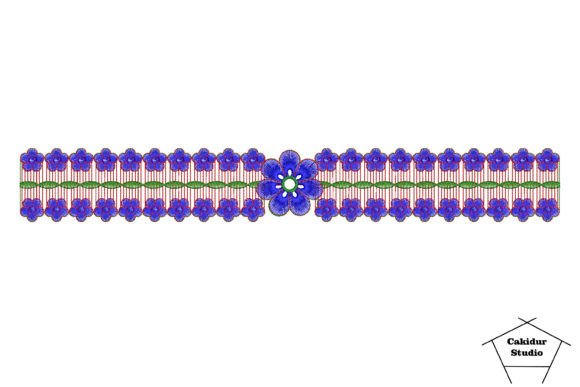
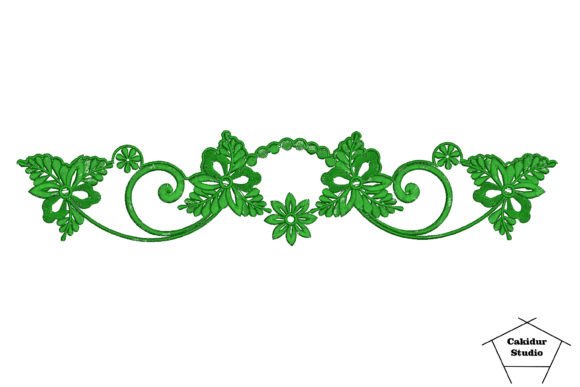
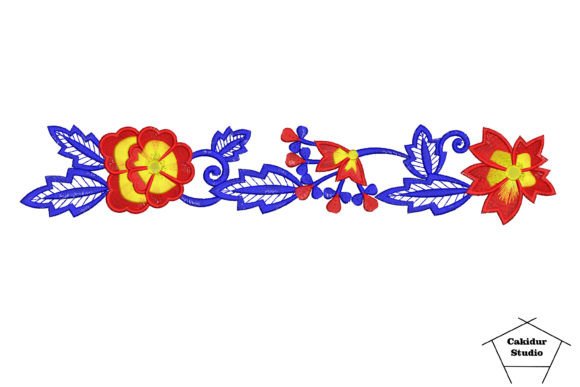
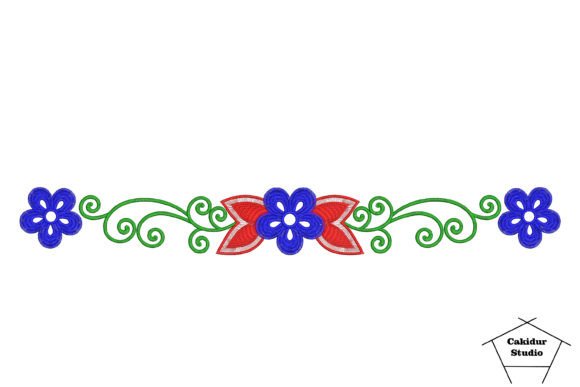
The first thing that strikes you about the Coupled Flowers Border is its unique balance between modern abstraction and classical floral motifs. Unlike traditional botanical designs that strive for photorealism, this pattern uses abstract shapes to suggest the form of flowers. This artistic choice is smart. It allows the design to feel fresh and contemporary while retaining the timeless appeal of a floral border. For an embroidery project, this means the design is versatile enough to fit into various branding styles, from minimalist boutique labels to rustic handmade goods.
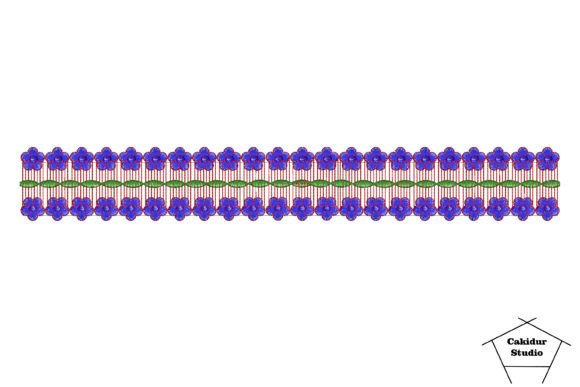
The layout is inherently linear, which immediately signals its primary purpose: edging and framing. However, the "coupled" nature of the flowers suggests a rhythmic repetition that can be visually soothing. When I visualized this on a digital mockup, the flow felt natural, avoiding the rigid, stamp-like appearance that plagues many lower-quality borders. The visual personality is calm yet sophisticated, making it an excellent candidate for products where subtlety is valued over loud decoration.
Real-World Application: From Tote Bags to Boutique Apparel
To truly evaluate an embroidery file, you have to imagine it stitched out. I pictured using the Coupled Flowers Border on a canvas tote bag. This is a classic use case for border designs. The abstract flowers would run along the bottom hem or the top edge, providing a structured accent that elevates a plain bag into a handmade product worth a higher price point. Because the shapes are abstract, they do not compete with other elements, allowing the texture of the canvas to shine through.
Another strong application is sweatshirt embroidery. Imagine this border running across the chest or along the cuffs of a crewneck. The classical accent mentioned in the description works well here, adding a touch of refinement to casual wear. For Etsy sellers and small shop owners, this versatility is key. You are not limited to one niche. You could easily adapt this for baby embroidery on a receiving blanket, where the soft, flowing lines of the abstract flowers create a gentle, nursery-appropriate aesthetic. It also serves well as a personalized gift element, framing a monogram or name placed centrally within the border’s negative space.
Considerations for Challenging Fabrics and Hoops
While the design is promising, practical experience dictates caution in certain areas. Any border design requires careful attention to hoop size. You must ensure your machine’s hoop can accommodate the full length of the repeat if you intend to stitch it in one go. If the design is segmented, alignment becomes critical. I always recommend testing the registration marks on scrap fabric before committing to your final garment.
Fabric choice is equally important. The description notes that this machine embroidery design is perfect for fabrics needing a fresh accent. However, on very thin or stretchy fabrics, such as jersey knits or silk, the stitch density becomes a major concern. Abstract shapes often rely on fill stitches to create volume. If the density is too high, it will cause puckering. Conversely, if it relies heavily on satin stitch outlines, it may sink into plush fabrics like towels or fleece. For kitchen towel projects or terry cloth, you might need to adjust the stabilizer strategy, perhaps using a cut-away stabilizer to support the weight of the stitching.
Curved surfaces, such as caps or hats, present another challenge. While a border can look great on a cap’s brim or front panel, the abstract shapes must maintain their integrity when stretched over a curve. I advise checking the design’s flexibility. If the flowers are too wide or rigid, they may distort. For embroidered patch creation, however, this design would likely excel, as patches are typically stitched on stable backing materials before being applied, eliminating many fabric-related risks.
Visual Appeal and Brand Consistency
From a branding perspective, the Coupled Flowers Border offers a distinct advantage: recognizability. In a market saturated with generic florals, an abstract approach helps your small shop product stand out. It conveys a sense of design intentionality. Customers often equate complex or unique stitching with higher value. When used consistently across your product line—perhaps on aprons, pillow covers, and tote bags—it creates a cohesive brand identity. This consistency builds trust. Buyers begin to recognize your style, which is crucial for long-term success as a creative entrepreneur.
Furthermore, the design’s clarity contributes to professionalism. Messy or overly dense designs can look amateurish after washing. A well-digitized border should maintain its shape and thread integrity through multiple wash cycles. This durability is essential for custom apparel and items meant for daily use. If the thread colors are chosen wisely—perhaps contrasting muted tones for a vintage look or bright hues for a modern pop—the design can significantly enhance buyer engagement on platforms like Etsy.
Practical Designer Notes for Best Results
Before you purchase or download this digital embroidery file, there are several steps you should take to ensure success. First, always verify the technical specifications. The product description mentions it comes with multi-format options, but you must confirm that your specific machine software can read the file type provided. Check the recommended hoop size to ensure it fits your equipment.
- Test on Scrap Fabric: Never stitch directly on your final product. Use a similar fabric weight and texture to test tension and density.
- Check Stabilizer Compatibility: Determine whether a tear-away or cut-away stabilizer is best suited for the fabric you plan to use. Heavier fill stitches usually require more robust stabilization.
- Evaluate Thread Contrast: Try the design in both high-contrast and low-contrast thread combinations. Sometimes, abstract shapes lose their definition if the thread color is too close to the fabric color.
- Review Licensing Terms: If you plan to sell finished items or use this in commercial embroidery projects, confirm the license terms. Ensure you have the right to use the design for profit.
- Mockup Testing: Create printable mockups or digital previews to see how the border scales. Does it look too delicate when shrunk? Does it become too bulky when enlarged?
In conclusion, the Coupled Flowers Border is a compelling addition to any designer’s library. Its abstract floral theme offers a fresh take on a classical motif, suitable for a wide range of applications from holiday embroidery gifts to everyday tote bag design. By paying attention to fabric selection, stabilizer use, and hoop constraints, you can leverage this design to create high-quality, professional-looking products that resonate with customers. It is a tool that, when used with skill and care, can elevate your craft business and add a unique signature to your handmade creations.