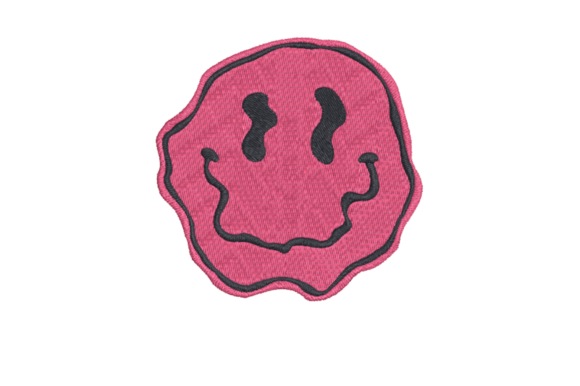
Reviewing the Trippy Retro Vintage Smiley Face
As an embroidery designer who has spent years digitizing patterns and consulting with small business owners, I know that choosing the right machine embroidery design is about more than just aesthetics. It is a strategic business decision. When I first loaded the Trippy Retro Vintage Smiley Face into my software to evaluate it for commercial use, my immediate impression was one of playful nostalgia mixed with modern bohemian flair. This design does not scream corporate stiffness; instead, it whispers creativity, warmth, and approachability. For brands operating in the lifestyle, café, boutique, or creative studio sectors, this visual personality is a powerful asset.
The description notes that this trippy retro face is perfect for creating unique embroidery projects for garments, and it is a great design for beginners and experts alike. From a technical standpoint, this versatility is crucial. A design that is too complex can alienate hobbyists, while one that is too simple may lack the perceived value needed for premium merchandise. This piece strikes a balance, offering enough detail to look professional on a finished product while remaining manageable for various skill levels.
Strategic Applications for Small Business Merchandise
When evaluating the Trippy Retro Vintage Smiley Face for real-world application, I immediately considered its potential across different product lines. For a local coffee shop or bakery, this design serves as an excellent candidate for apron embroidery. It adds a touch of whimsy to staff uniforms without compromising professionalism. The retro vibe aligns perfectly with the current trend of artisanal, handcrafted food experiences, helping to reinforce the brand’s identity as friendly and community-oriented.
For Etsy sellers and handmade brands, this design shines as an embroidered patch. Patches are low-risk, high-margin items that allow customers to customize their own jackets, bags, or hats. The bold lines and distinct shapes of the smiley face ensure that it remains legible even when scaled down for a 2-inch patch. Furthermore, because the design falls under the Boho category, it appeals to a demographic that values individuality and artistic expression. Using this as a branded add-on to tote bags or denim jackets can significantly increase the perceived value of the base item.
I also see strong potential for cap embroidery. The curved surface of a baseball cap can be tricky for detailed designs, but the central focus of the smiley face allows for a clean, centered placement on the front panel. This makes it ideal for music festivals, pop-up markets, or creative agencies looking for casual team gear. Similarly, for tote bags, which are essentially walking billboards, the tote bag design potential here is high. A large-scale version of this face on a canvas bag creates a statement piece that customers are proud to wear, extending your brand reach organically.
Technical Considerations and Production Notes
While the aesthetic appeal is strong, any professional embroiderer knows that execution is everything. Before running a full production batch, there are several technical factors to consider with the Trippy Retro Vintage Smiley Face. First, always check the stitch density. Retro designs often rely on solid fills to achieve that vintage look. If the density is too high, it can cause puckering, especially on lighter fabrics like cotton tees or linen aprons. I recommend testing the design on a scrap piece of your actual production fabric to observe how the threads interact with the material.
Fabric texture plays a significant role in the final outcome. On textured fabrics like terry cloth towels or heavy canvas, fine details might get lost. However, since this design features bold, iconic shapes, it is generally forgiving. Still, using the correct stabilizer is non-negotiable. For stretchy garments like t-shirts, a cut-away stabilizer will ensure the design retains its shape after washing. For woven fabrics like caps or patches, a tear-away might suffice, but always prioritize stability to prevent distortion.
Another critical step is reviewing the thread colors. The "trippy" aspect of the design suggests a vibrant palette. However, for brand consistency, you may need to adjust the default colors to match your specific brand identity. Test the design in black and white first to ensure the contrast holds up. If the design relies solely on color gradients to define its shape, it may not translate well to monochrome uniforms or single-color promotional items. Ensure that the outlines are distinct enough to stand alone if necessary.
Since the product description mentions that this machine embroidery design comes with multiple embroider options, take advantage of this flexibility. Different file formats or variations may be optimized for different hoop sizes. Confirm which version fits your intended application. For example, a smaller hoop size might be required for left-chest logos on work shirts, while a larger hoop is needed for back-of-jacket statements. Always verify the dimensions in your software before hooping.
Enhancing Brand Identity and Customer Trust
Incorporating the Trippy Retro Vintage Smiley Face into your product line is not just about decoration; it is about communication. In the world of small business merch, every stitch contributes to your brand identity. This design communicates openness, creativity, and a relaxed attitude. For a creative studio or a pet brand, this helps build an emotional connection with customers. It signals that your brand is human, approachable, and fun.
Professionalism in commercial embroidery is often judged by the quality of the finish. A clean, well-digitized design like this one enhances customer trust. It shows that you pay attention to detail. When customers receive a custom apparel item or a branded gift with crisp stitching and no loose threads, their perception of your overall business quality increases. This is particularly important for handmade product sellers where the personal touch is the primary selling point.
Moreover, using consistent design assets across various touchpoints—from employee uniforms to packaging accents—creates visual consistency. If you use this smiley face on your social media graphics, ensure the embroidered version matches the digital aesthetic. Creating a printable mockup can help clients visualize the final product before purchase, reducing hesitation and increasing conversion rates for bespoke orders.
Final Verdict and Best Practices
The Trippy Retro Vintage Smiley Face is a versatile and engaging addition to any embroidery library, particularly for those targeting the bohemian, retro, or lifestyle markets. It performs well across a variety of applications, from patches and caps to aprons and tote bags. However, success lies in the preparation. Always test on real fabric, adjust thread colors to match your brand, and use appropriate stabilizers to ensure durability.
Before launching any digital embroidery file into production, confirm the commercial licensing terms. Ensure you have the rights to use the design for physical goods sold in your shop. Additionally, since the description does not specify exact stitch counts or file formats, request these details from the provider if they are not readily available. Knowing the stitch count helps in estimating production time and cost, which is vital for pricing your finished product correctly.
Ultimately, this design offers a blend of charm and professionalism that can elevate your design assets and strengthen your market presence. Whether you are decorating uniforms for a local café or creating unique gifts for an online store, the Trippy Retro Vintage Smiley Face provides a solid foundation for creating memorable, high-quality embroidered goods.