Caged Flowers: A Designer’s Review for Brand Merch
As an embroidery designer who has spent years digitizing and reviewing files for commercial use, I approach every new machine embroidery design with a critical eye. It is not just about whether the artwork looks pretty on a screen; it is about how it performs under the needle, how it holds up after washing, and most importantly, how it elevates a brand. Today, I am reviewing Caged Flowers, a piece from the Bouquets category that promises an aesthetic floral touch for various applications. For small business owners, Etsy sellers, and apparel decorators, understanding the practical viability of this embroidery file is crucial before adding it to your product line.
First Impressions: Visual Personality and Brand Fit
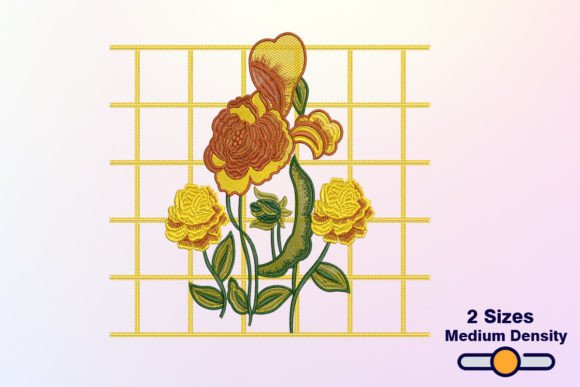
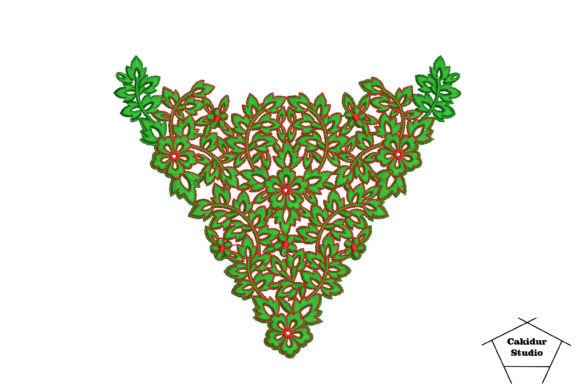
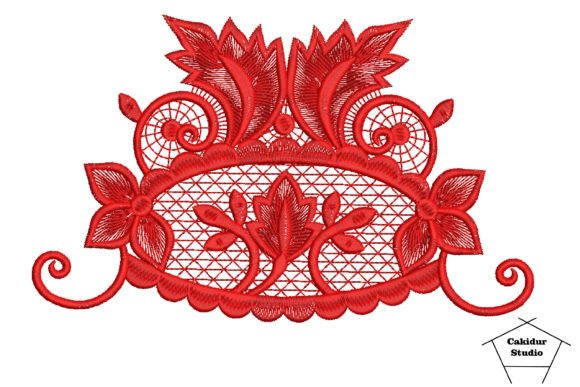
The title Caged Flowers immediately suggests a juxtaposition of nature and structure. In the world of branding, this duality can be powerful. Upon reviewing the visual concept, the design feels less like a wild, untamed garden and more like a curated, intentional statement. It strikes a balance between elegant and modern, with a hint of rustic charm depending on the thread choices. For a boutique, a florist, or a creative studio, this aesthetic signals sophistication without being overly stiff. It feels handmade yet professional, which is the sweet spot for high-value small business merch.
When considering brand identity, consistency is key. If your brand leans towards minimalism, this design might serve as a striking focal point rather than an all-over print. If your brand is more maximalist or bohemian, Caged Flowers can act as a grounding element. The "caged" aspect implies protection or preservation, which could subtly communicate values of care, quality, or exclusivity to your customers. This emotional resonance is what transforms a simple stitch pattern into a tool for customer trust and recognition.
Real-World Applications for Small Business Merchandise
The product description notes that this aesthetic floral embroidery is perfect for pillow covers, bed sheets, tablecloths, t-shirts, canvas, hoodies, or other items that need a creative touch. From a production standpoint, this versatility is both a strength and a challenge. Let us break down how Caged Flowers performs in specific commercial scenarios.
- Embroidered Patches: This is perhaps the most versatile application. An embroidered patch featuring this design can be applied to denim jackets, tote bags, or even packaging. Patches allow you to test the design on multiple products without committing to direct embroidery on each item. Ensure the edges are clean and the satin stitch border is dense enough to prevent fraying.
- Custom Apparel and Uniforms: For café staff or boutique employees, placing this design on the chest pocket area of a work shirt or apron adds a premium feel. Apron embroidery is particularly effective for bakeries and florists, where the visual of flowers aligns perfectly with the trade. However, keep the size moderate to avoid overwhelming the garment.
- Tote Bags and Canvas Goods: Canvas has a coarse fabric texture, which can sometimes cause small details to get lost. Caged Flowers needs to be scaled appropriately for tote bags. A larger scale works best here, allowing the "cage" structure to be visible and impactful. This makes for excellent tote bag design elements that customers will actually use and display.
- Cap Embroidery: Using this on caps requires careful consideration of the curved surface. The design must be narrow enough to fit the front panel without distorting. If the design is too wide, it will wrap around the sides, looking unprofessional. Test a smaller version for cap embroidery to ensure the details remain crisp.
Technical Considerations and Production Notes
While the aesthetic appeal is clear, the technical execution determines the quality of the finished product. As a designer, I always advise running a series of tests before full-scale production. Here are the critical factors to evaluate with this digital embroidery file.
First, consider stitch density. Floral designs often have varying densities depending on the fill areas. If the density is too high, it can cause puckering, especially on lighter fabrics like t-shirts or bed sheets. If it is too low, the fabric may show through, breaking the visual continuity. Always check the design settings in your embroidery software. If the file comes with multiple formats, choose the one optimized for your machine’s capabilities.
Second, pay attention to thread colors. The description mentions an aesthetic floral look, which implies a certain palette. However, for branded merchandise, you may need to customize the colors to match your brand guidelines. Test the design in black and white first. If the contrast between the "cage" and the "flowers" is not distinct in monochrome, it may lack impact when stitched in similar tones. High contrast ensures the design reads clearly from a distance.
Third, stabilizer selection is non-negotiable. For stretchy fabrics like hoodies or t-shirts, a cut-away stabilizer is usually recommended to maintain shape. For woven fabrics like canvas or tablecloths, a tear-away might suffice, but test for stability. The wrong stabilizer can lead to registration issues, where the cage lines do not align perfectly with the floral elements.
Where to Use Caution
Not every item is suitable for every design. With Caged Flowers, exercise caution in the following areas:
- Small Patch Sizes: If you shrink the design too much for a tiny label or small patch, the intricate details of the cage and petals may merge into a blob. Always stitch out a test at the smallest intended size to verify clarity.
- Dark Uniforms: Stitching light-colored threads on dark fabrics requires a proper underlay to prevent the fabric color from showing through. This increases stitch count and production time. Factor this into your pricing for commercial embroidery projects.
- Frequent Washing: Items like bed sheets and tablecloths undergo rigorous washing. Ensure the thread quality is high-grade polyester or rayon that resists fading and breaking. Poor quality thread will ruin the perceived value of your handmade product quickly.
Enhancing Brand Value and Customer Engagement
Ultimately, the goal of using Caged Flowers is to enhance your brand’s perceived value. A well-executed embroidery design signals attention to detail and quality. When customers receive a tote bag or hoodie with a crisp, professional embroidered logo or accent, their trust in your brand increases. It differentiates your custom apparel from mass-produced, printed alternatives.
To maximize this effect, create a printable mockup for client approval or social media promotion before stitching. Show the design in context—on a model wearing the hoodie, or on a styled table setting. This helps customers visualize the design assets in their own lives. Furthermore, ensure you have the correct commercial licensing. The product description states it comes with certain rights, but always confirm the terms for resale and mass production to protect your business legally.
In conclusion, Caged Flowers offers a compelling blend of structure and nature that can serve various small business needs. From embroidered patches to upscale home decor, its success lies in thoughtful application. By respecting the technical limits of hoop size, fabric texture, and stitch density, you can transform this embroidery file into a cornerstone of your branded merchandise strategy. Remember, the best design is not just the one that looks good, but the one that performs reliably and strengthens your brand identity with every stitch.